Understanding your recovery is part of the recovery. We teach you the science behind your injury, what's actually happening in your tissue, what to expect week by week — because an informed patient heals faster and stays healthier longer.
Physical therapy outcomes are strongly predicted by what patients do between sessions. A patient who understands why they're doing their home exercises — and what happens biologically when they skip them — will complete them. A patient who doesn't understand is a patient who guesses, fears movement, and stalls.
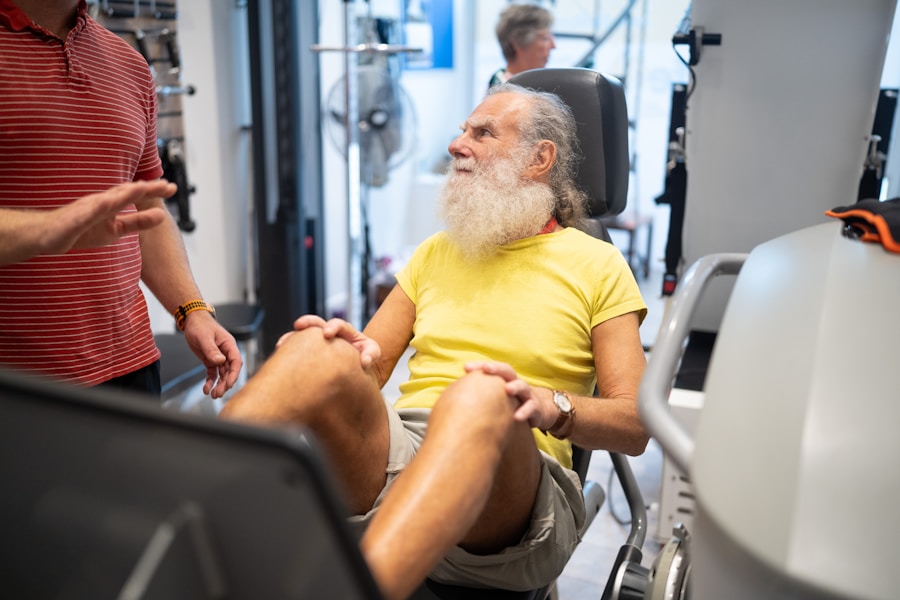
Recovery education is woven into every session at Cowboy Healthcare. It isn't a separate curriculum or a brochure handed at discharge — it's an ongoing conversation. We explain what we're doing and why, what you should feel versus what should concern you, and how to self-manage flare-ups without calling us every time.
Patients who understand their condition are also significantly less likely to re-injure themselves. Re-injury is often not bad luck — it's the result of returning to activity without understanding the tissue-loading principles that protect healing structures. We close that gap before you walk out the door.
What actually happens in muscle, tendon, ligament, or bone after injury or surgery — inflammatory phase, proliferative phase, remodelling — and why each phase has different activity guidelines.
Why pain is not a reliable measure of damage, how the nervous system amplifies or dampens pain signals, and how understanding this reduces fear-avoidance behavior that slows recovery.
Not just what exercises to do, but why each one matters, what it's training, how to progress it, and what to do if something doesn't feel right. We build your home program around your schedule and environment.
When to push through discomfort vs. when to back off. How to grade your return to work, sport, or household activity. The difference between pain that is healing-compatible and pain that signals tissue stress.
How the way you sit, stand, lift, and move in daily life contributes to or protects against your condition. We assess your environment and teach sustainable movement habits that last beyond discharge.
What to do after PT ends. Which exercises to continue, which activities to progress gradually, warning signs to watch for, and when to come back before a problem becomes a crisis.
The single best predictor of long-term PT outcomes is whether the patient understands what they're doing and why. Education isn't a nice add-on. It's the treatment.
Cowboy Healthcare Clinical PhilosophyEducation is not a separate billable service — it's part of every PT visit. We accept Medicare, BCBS, UnitedHealthcare, Aetna, Cigna, Humana, GEHA, and most commercial plans. Cash-pay options available for those without coverage.
"When my DPT explained the actual mechanism of my disc herniation — not just 'you have a bad disc' but why it was irritating the nerve and what would reduce that — everything clicked. I stopped being afraid of movement and started making real progress."
"I'd been told conflicting things by three different providers about my knee pain. My first session here involved a proper assessment and a clear explanation of what was actually happening. That conversation alone was worth the visit."
"My home program actually made sense because I understood why I was doing each exercise. Most PTs hand you a sheet of exercises. Here they explained the goal of each one relative to my specific deficit. I'm better at managing my own recovery because of it."
Book a free evaluation and we'll explain your injury, your timeline, and exactly what we're going to do about it — before we do it.
Book a Free Evaluation